Daily AI Use Wrap-Up
A five-minute end-of-day prompt that turns your day into a short log: what you did, where AI was used, one highlight and one thing to pick up tomorrow.
Govern
AI use policy, AI tool register, approval workflows, claims substantiation, tone verification, accessibility review and crisis preparedness: the quality and risk layer that protects what gets published.
Built for comms leads who are accountable for how AI gets used – the ones who need to show legal, the board, or a client that the practice is governed and defensible. Each template pairs a workflow with the human review step that makes the output safe to stand behind. For the ground rules on what to put into an AI tool and what to keep out, start with using AI safely in comms.
New to this phase? Read the Govern reference
16 templates
A five-minute end-of-day prompt that turns your day into a short log: what you did, where AI was used, one highlight and one thing to pick up tomorrow.
Sort conflicting reviewer comments on a draft into the few that are real objections and the many that are taste, then resolve each with a named owner, so a piece that took an hour to write does not take four days to clear.
Check every live piece of collateral, from the website to the sales deck to the newsletter footer, against one source of truth, and log every figure, name, claim and description that has drifted.
A standing record of what your organisation has said publicly on the issues that matter, when, where and why, so any new statement can be checked against the old ones before a journalist does it for you.
A living register of the AI tools your comms team uses: what each is approved for, what data it may handle, who owns it and when it was last reviewed. The single source of truth your AI use policy points to.
A working AI use policy for a comms team: what is permitted, what needs review, what is off-limits, how AI use is disclosed and how data is handled. Built to be kept current, not written once and forgotten.
A simple cadence and running log for keeping a comms team's AI use governed over time: a quarterly review of policy, tools and standards, plus a standing record of issues, near-misses and decisions.
A staged communications playbook for managing any crisis in real time, from the first 60 minutes through to resolution. Covers operational failures, reputational crises, leadership issues, workforce emergencies, and third-party failures.
A structured audit and documentation process for assessing the consistency of your organisation's communications voice – and building guidelines to maintain it.
Staged communications templates for a security incident – from the first internal holding line through customer notification, press response, and post-incident summary.
Ensure communications are inclusive and accessible to people with different abilities and disabilities.
Map out sign-off processes for content approval workflows to ensure clear accountability and timelines.
Verify all factual claims in communications with evidence and documentation before approval.
Monitor the status of multiple content items moving through approval workflows in a centralised dashboard.
Prepare holding statements and pre-approved messages for crisis scenarios before incidents occur.
Verify communications maintain brand voice consistency and appropriate tone for audience and context.
Applied
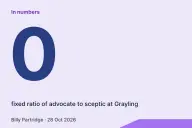
Grayling's Chief AI Officer runs adoption as advocate and sceptic at once. His proudest result of the year is that nobody at the agency is afraid to say no to AI, and the mechanism behind it is one any comms leader can copy.
Q4 2026 edition. A plain-English guide for communications professionals who are new to AI, or who use it now and then: where things stand, the four main assistants and what each is good for in comms, five things to try this week, and the words you keep hearing. Refreshed every quarter.

A lot of AI output feels generic, and one reason is that the model has no idea what your organisation has already said, approved or decided. Here is where a durable memory can live, ten practices that keep it trustworthy, and three things you can do today.

More in the Learn hub: live sessions and their write-ups, the 5-phase framework, and training.