The frameworkAcross all five phases
Agents about 30%rough share of the workrough sharePeople about 70%
Applied / Comms with AI The AI Agent Series · six parts · 13 April to 16 June 2026

An illustrated companion to the AI Agent Series

The Human Share

Six articles, five phases, one argument. Between April and June 2026, Applied / Comms With AI published a six-part series on putting AI agents to work across the whole communications job. This companion walks through it part by part: the framework, the practical lessons, and the share of the work that stays with people.

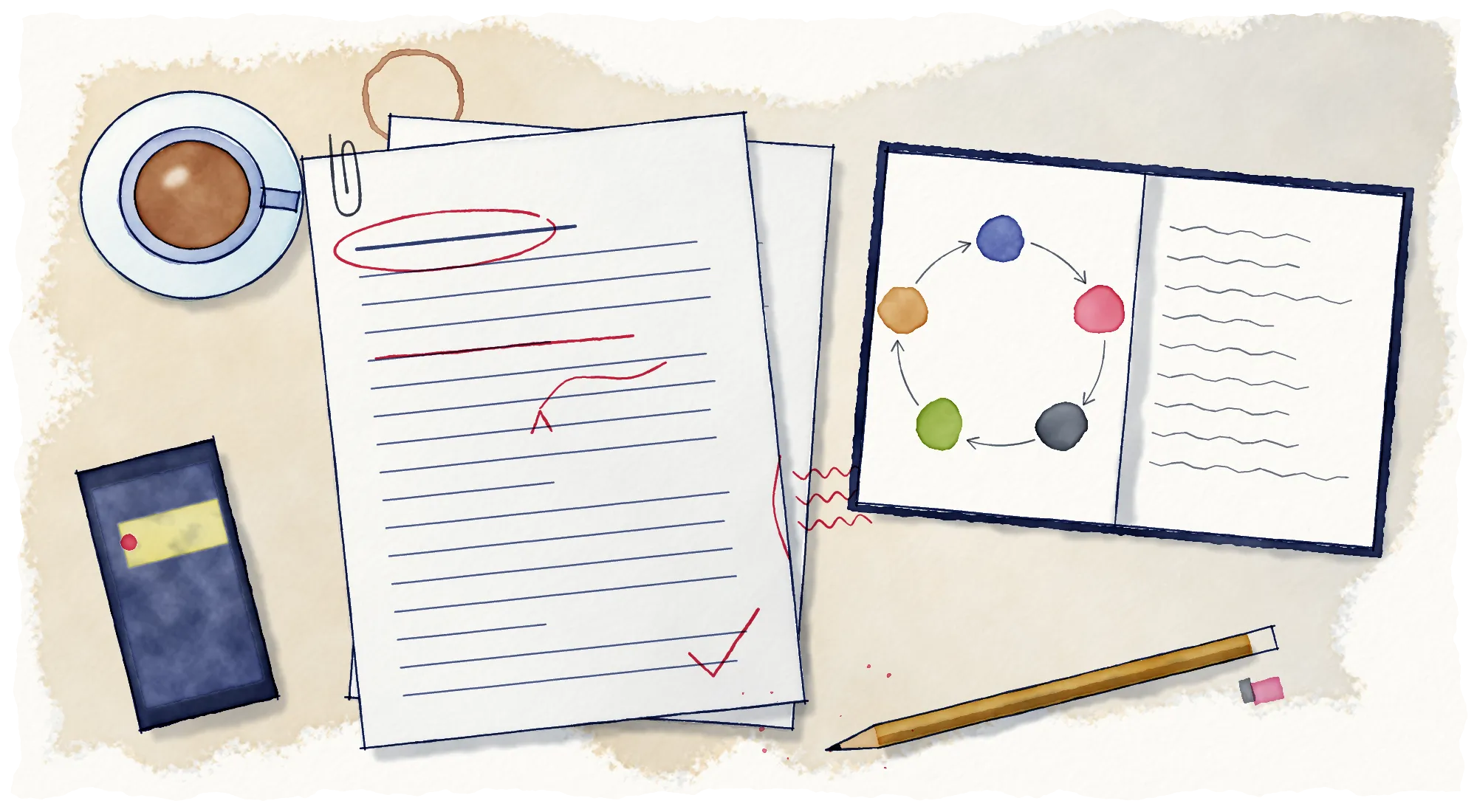
Watercolour of a desk seen from above: a cup of tea, a phone showing an alert, an open notebook with five coloured dots drawn in a loop, a pencil, and a printed draft marked up in red pen with a circled headline, a struck-out line and a tick.
The desk. An agent's first draft, with the human edits in red. The notebook holds the five phases the series is built on.
Read it in orderOne chapter for each article, in the order they were published, from the framework to the last of the five phases.
Watch the barThe bar at the top of the screen shows the series' rough split for the part you are reading: agents and people. Part 1 calls the split “a very rough guide”: it shows who does which share of the work.
Take the testsEach phase ends with the series' own five questions. Answer them as you go, or go straight to one: Strategise, Create, Govern, Monitor or Transform. The last section turns your answers into a place to start a team conversation.

Most teams meet AI one tool at a time. In the series' words, “someone asks ChatGPT for a first draft; a team experiments with a tool without integrating it into anything else.” The results are inconsistent, enthusiasm fades, and the next tool arrives. The series set out to replace that habit with a map of the whole job, and it started from one plain claim.

AI is a workflow engine.

Which changes the question a team should ask. The series puts it this way: the question that matters is “which part of our workflow should we redesign first?” Every chapter below comes back to it, and so does the end of this page.

The series as published, April to June 2026

May June

Part 1 · 13 April 2026 · The framework

A Practical Framework

What an agent is, why communications work suits one, and the five phases the rest of the series works through.

The series’ rough split
Agents ~30People ~70
Read the original article

An agent, in the series' definition, is “a structured, task-specific system that performs a defined function consistently (and hopefully also reliably)”. A well-constructed agent, the series adds, has a clear purpose, rules and constraints, predefined inputs and outputs, and the ability to produce repeatable results. That last part is the point.

“You do not just have a conversation with an agent. You task it.”Part 1
A conversationAn agent
ShapeOpen-endedA defined function, with rules and constraints
Good forExplorationOperations
Each timeA fresh exchangeThe same way, with the same quality floor

Communications suits the model because the work is “high-volume, high-stakes, multidimensional, and deadline-driven”, full of repeatable research, predictable governance steps and structured briefs. Put repetition, structure and high stakes together and you have, in the series' phrase, “exactly what agent-based design is built for.” The aim is more rigour with less friction, by reducing the groundwork that needs human judgement while keeping the judgement itself.

The mapFive phases, one cycle

The framework splits the work into five phases. The series called it the Comms With AI Operating System; Comms With AI now calls it the 5-phase framework, and the phases are unchanged. They “form a cycle”: each feeds the next, the output of Transform feeds back into Strategise, and teams move between phases constantly. Pick a situation below to see the route a team takes.

Three situations, three routes through the phases

From the three scenarios in Part 1.

The crisis route is the one to remember. The framework does not have to be walked in order: “The entry point depends on the situation. The framework adapts; the five phases remain the same.”

Honest about capabilityWhere agents earn their place

Strong
  • Research aggregation
  • Structured drafting
  • Systematic checking
  • Pattern detection
  • Tasks with clear inputs and outputs, where consistency matters more than creativity and volume is the constraint
Use more carefully
  • Strategic judgement on novel situations
  • High reputational sensitivity
  • Ambiguous inputs
  • Output that has to carry a specific human voice

“In all circumstances, agents should support the user. They do not replace them.” As a very rough guide, the series puts agents at around 30 per cent of the work, through drafting, monitoring and structure, and human expertise at around 70, through strategic judgement, voice and oversight. It calls the split “a starting point for thinking honestly about where automation adds value and where it creates risk.”

The entry pointRedesign one workflow

The series' practical advice for starting is small on purpose. Common starting points are “strategy creation, content packaging, monitoring reports, and crisis readiness”. Whichever you pick, the method is the same:

  1. Identify a high-friction area in the team's current operation.
  2. Break that workflow into its component tasks.
  3. Find where a structured agent could handle one of those tasks consistently.
  4. Run a pilot.
  5. Evaluate honestly.
  6. Standardise what works.

Interlude · the numbers that run through the series

In every phase, people keep the larger share

Part 2 set out a rough split between agents and people for each phase, and every later article restated its own. Read across the cycle, the five numbers trace the shape of the tool: higher in the middle, where work is produced and processed, lower at the two ends, where the thinking and the leading happen.

Part 1's rough guide for the whole framework: agents about 30 per cent

0%3050100%

“AI is strongest in the doing and weakest at the edges, where judgement and leadership live.” Part 6 adds that this is no limitation to apologise for: “It is the shape of the tool”.

Splits as published in Parts 2 to 6, which the series treats as rough guides. Part 3 adds that its own 35/65 split is about “the share of the work that previously sat with a human”. Within Create, editorial planning tilts back towards 25/75.

Part 2 · 27 April 2026 · Strategise
The Work Before the Work

Quality is set upstream, in the research, the positioning and the message architecture. Agents shrink the groundwork. The judgement stays human.

The series’ rough split
Agents 20People 80
Read the original article
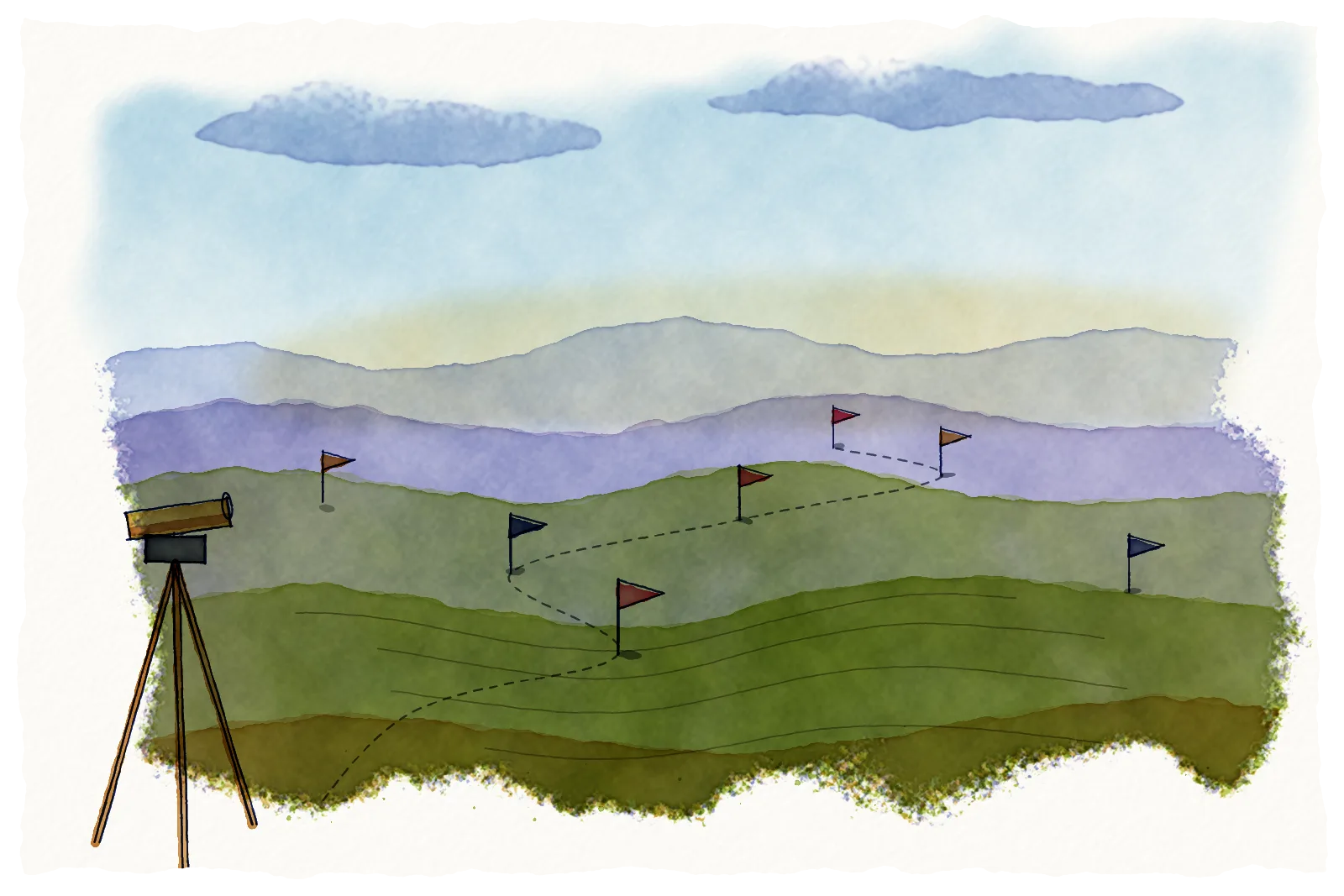
Watercolour landscape of rolling hills under a pale sky, with small red and blue flags planted across the hills, a dotted path linking them, and a surveyor's telescope on a tripod in the foreground.
Landscape analysis. “Agents can give you a landscape map in an hour that would take a researcher two days. They cannot tell you which parts of that map matter.”

Most AI conversations in communications start with the draft and ask how to write it faster. The series likened that to tuning in only at the end of your favourite soap opera. “In practice, the quality of any communications work is set long before the drafting starts.” It is set in the research, the positioning, the stakeholder mapping and the message architecture: the work senior communicators do before anyone opens a document.

Time pressure squeezes that thinking first. “The kick-off meeting becomes the strategy. The gut feel becomes the audience insight. The creative director's instinct becomes the positioning.” The series calls this a structural constraint and lets the team off the hook: strategic work “depends on experience, synthesis, and judgement”, and until recently there was no way to do it faster without doing it worse.

Agents start to change that equation by collapsing the time spent on the groundwork that informs the judgement. The judgement itself remains “resolutely and stubbornly human”. Hence the split: around 20 per cent agent, 80 per cent people, the joint lowest agent share in the framework.

Field guideFour places agents change strategic work

1Landscape analysis and competitive intelligence

Agent
Give it five competitors and a focus area (positioning, narrative pillars, channel mix, tone of voice) and it returns a structured comparison in under an hour.
You
The context that comes from network and experience: which competitor is about to pivot, which is struggling internally, which is about to lose a key executive.
Agents surface only what is publicly available. In Michael's own testing, Perplexity is fastest for surface scans, ChatGPT best for structured analysis output, and Gemini strongest when the analysis involves Google Search data.

Template: Competitor Comms Audit

2Stakeholder mapping at scale

Agent
Takes a list of stakeholders, pulls public information on each and assesses their current position, channel preferences, recent statements, likely concerns and probable response. A full day's compiling for a junior strategist.
You
The strategic call: who actually matters, who to engage first, and where the risks are.
Agents still get details wrong, occasionally conjure details up and, in extreme cases, imaginary people. Vet everything and add what was missed. “This remains a time-saving tool, definitely not a one-and-done solution.”

Template: Stakeholder Mapping Matrix

3Audience profiling from unstructured data

Agent
Turns survey responses, sales call transcripts, support tickets, social listening data and reviews into segments with a consistent structure: motivations, barriers, language patterns, channel preferences, trigger moments.
You
Deciding what the segments mean, then digging deeper in conversation with the tool. It can throw up insights you may not have considered.
It does not replace proper qualitative research. It is “a dramatic step up from the assumptions that usually stand in for audience insight in fast-moving work.”

Templates: Comms Audience Profile · Audience Segmentation Worksheet

4Message architecture and positioning

Agent
The structured groundwork: clarifying the competitive set, surfacing differentiation candidates, stress-testing proof points, generating several framings of the same idea.
You
The trade-offs, the long-horizon judgement and the organisational politics. Which framing wins, which proof points carry weight, where the narrative lives.
This is where many senior communicators are most sceptical about AI, “and with good reason.”

Templates: Message House · Positioning Statement Generator · Proof Points Bank

From practiceThree examples, anonymised and simplified in the original

A membership body with six weeks before an expected regulatory announcement

The change would affect around 60 per cent of members' working practices. Agent-supported research mapped how comparable bodies had handled earlier shifts and identified thirty named people whose early response would shape perception.

Week 1Week 2Week 3Week 4Week 5Week 6
Strategise: the first ten days
Research compiled in a couple of days
The strategic call: one 90-minute session with the CEO and chair
Narrative refinement, spokesperson preparation, member engagement

The work that may have taken a research team two weeks took a couple of days, which left the remaining weeks for the work that needed people.

Durations from the article. Where events sit inside the weeks is illustrative. In the session, the team departed from the agent's implied direction on two key points.

A Series B software company announcing an eight-figure funding round

Two weeks and little research support. Agent work studied how comparable rounds had been positioned and profiled the journalists most likely to cover the story. The founder wanted one unified message; the agent-produced evidence that sector and business media responded to different framings carried more weight than the comms lead's instinct alone could have.

3
tier-one outlets
6
sector publications
6 hrs
of agent work, over two days
A national charity planning a three-year campaign

Six weeks of Strategise before any production, because the topic was contested and mistakes would be expensive. A landscape of every major campaign on the issue over ten years, a stakeholder map and fifteen framings tested against the audience insight.

120+
named individuals and organisations mapped
15 → 3
framings, then refined by hand
Year 2
tracking ahead of its attitudinal targets; outcome metrics were eighteen months away

“The agent work did not make the strategic decisions.”

Part 3 · 5 May 2026 · Create

The Volume Problem

Speed is the obvious way to measure AI in content production. The series asks a harder question: does the work still meet the standard senior communicators would trust in public?

The series’ rough split
Agents 35People 65
Read the original article
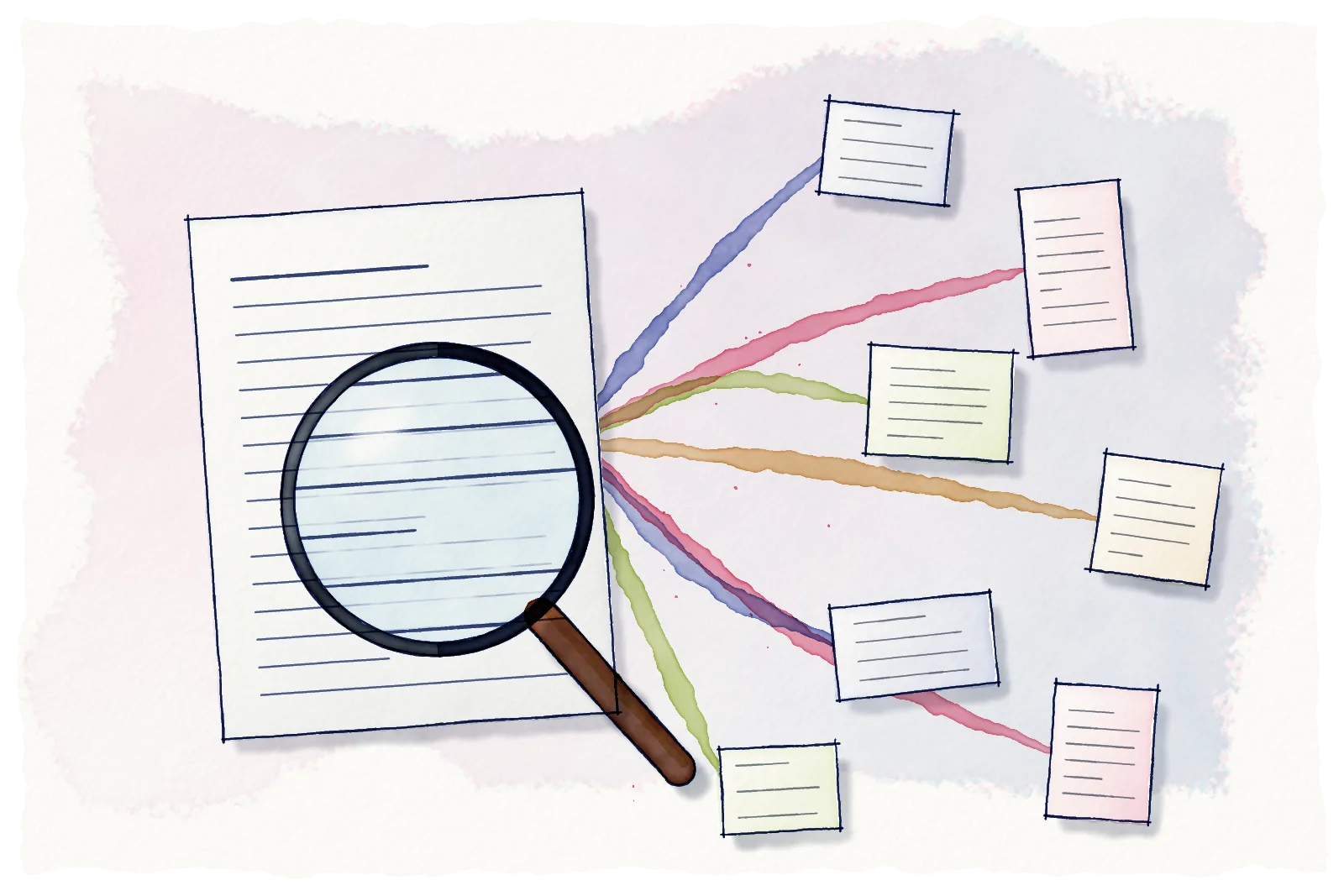
Watercolour of a printed master document under a large magnifying glass, with coloured ribbons flowing from it to seven smaller cards of different shapes.
One master, many formats. “Multi-format packaging is a magnifier, not a fixer.”

Create is where most teams meet AI first: the press release draft, the LinkedIn post, the executive comment, the internal memo. It is also where the honest conversation is hardest to have, because the numbers are so tempting. First draft in minutes. Social pack in an afternoon. Those numbers are real, and they “describe capacity, not quality.”

“Knowing the difference is the skill that defines whether a team gets lift from Create-phase agents or drifts into polished mediocrity at scale.”

The split here is 35/65, the second-highest agent share, because first drafts from a defined brief and adaptation from a strong master suit agents well. The series is careful about what the number means: “The human share does not get smaller; it gets more concentrated on the decisions where experience is load-bearing.” Voice, nuance, cutting the line that sounds clever but lands wrong: that stays with people.

Hold one warning in mind through the demonstrations of speed and volume below. “Teams that use agents to ship more mediocre content are measurably worse off than teams that use agents to ship the same volume at a higher standard.”

Field guideFour places agents change creative work

1Structured first drafts from a strong brief

Agent
With the message house clear, the audience defined, the call to action agreed and the length set, a first draft that a senior writer can take to final in under an hour.
You
The upstream work. Teams getting weak results “are almost always compensating for thin strategy by asking the agent to fill the gap. It cannot.”
Vague inputs give a draft that reads “as if it was written by a committee of none of the right people.” The article suggests ChatGPT for speed on familiar formats and Gemini where work is tied to live data or search. In Michael's own testing, Claude is the most consistent at holding a specific voice across several pieces.

Template: Press Release Structure

2Multi-format packaging from a master piece

Agent
Given a strong master and a format brief, a coherent set of formats in minutes, close enough that editing takes a fraction of the drafting time. For teams running frequent campaigns, the series calls it the single highest-velocity use of Create-phase agents.
You
A master piece that holds up on its own, and a checklist of the criteria every output must meet for its own platform.
“If it hedges, the derivatives hedge harder.”

3Voice work and ghostwriting

Agent
Drafts that carry a spokesperson's sentence rhythms, preferred framings and characteristic phrases.
You
A deeply worked voice profile, built from a dozen representative pieces with notes on what makes them sound like the person. A light prompt gives a generic executive voice with a name on it.
“The judgement call here is ethical before it is technical.” Agree a position on disclosure, on review, and on when a piece should not be produced at all.

4Editorial planning and narrative architecture

Agent
From a six-month positioning objective and a list of input events (earnings days, conferences, product moments, regulatory windows), a sequenced plan that ladders each piece back to the goal.
You
Judging which pieces carry the argument forward and which are filler.
This is closer to strategic work than to drafting, so the split tilts back towards 25/75.

Template: Monthly Content Calendar Planner

One keynote, eight outputs

The series' example: a single keynote becomes a press release, three LinkedIn posts, a blog article, an email to members, a talking-points document and a partner briefing. Change the master and watch what travels.

The master
One keynote
Press release
LinkedIn post 1
LinkedIn post 2
LinkedIn post 3
Blog article
Email to members
Talking points
Partner briefing

Each output gets its own tone, length and structure. The output is rarely final, but the editing time is a fraction of the drafting time.

From practiceThree examples, anonymised and simplified in the original

A national charity with seventy-two hours to respond to a contested news cycle

One square for each hour. A packaging agent drafted every format from the agreed position paper within four hours; the team spent the rest on the judgement-heavy work.

Hours 1 to 4: first drafts of every formatHours 5 to 72: strategic refinement, spokesperson preparation, deciding what to say and to whom
Holding statementFull position paperSix social variantsAll-staff briefingPartner-network briefingThree spokesperson Q&A packs

Every published piece was substantially edited by a human, and nothing went out as the agent's first draft. The drafts saved roughly a day and a half of writing time: “the difference between responding well and responding late.”

A scale-up founder, writing three times a week

A voice-trained agent built from twelve pieces of the founder's writing and two hours of interview transcript. Editing sessions with her took thirty minutes, where drafting sessions had taken two hours.

Before: about one piece a fortnight
After six months: three a week

Pieces published in a typical four weeks. Inbound speaking invitations tripled, and at the six-month review the founder said the work still sounded like her, which was the non-negotiable test.

A professional services firm's flagship report

Historically six months, twelve contributors, and a launch that slipped two weeks every year. Three agents (structuring, drafting and packaging) took the editorial heavy lift; the writer's role shifted to structural editing and voice consistency.

On time
after slipping two weeks every year
~5 wks
of production time saved

“The quality floor held, and the quality ceiling held.”

Part 4 · 27 May 2026 · Govern

The Cost of a Miss

Every efficiency gain in Create lands as extra work in Govern. This is the phase where AI created the problem before it offered any of the solution.

The series’ rough split
Agents 25People 75
Read the original article
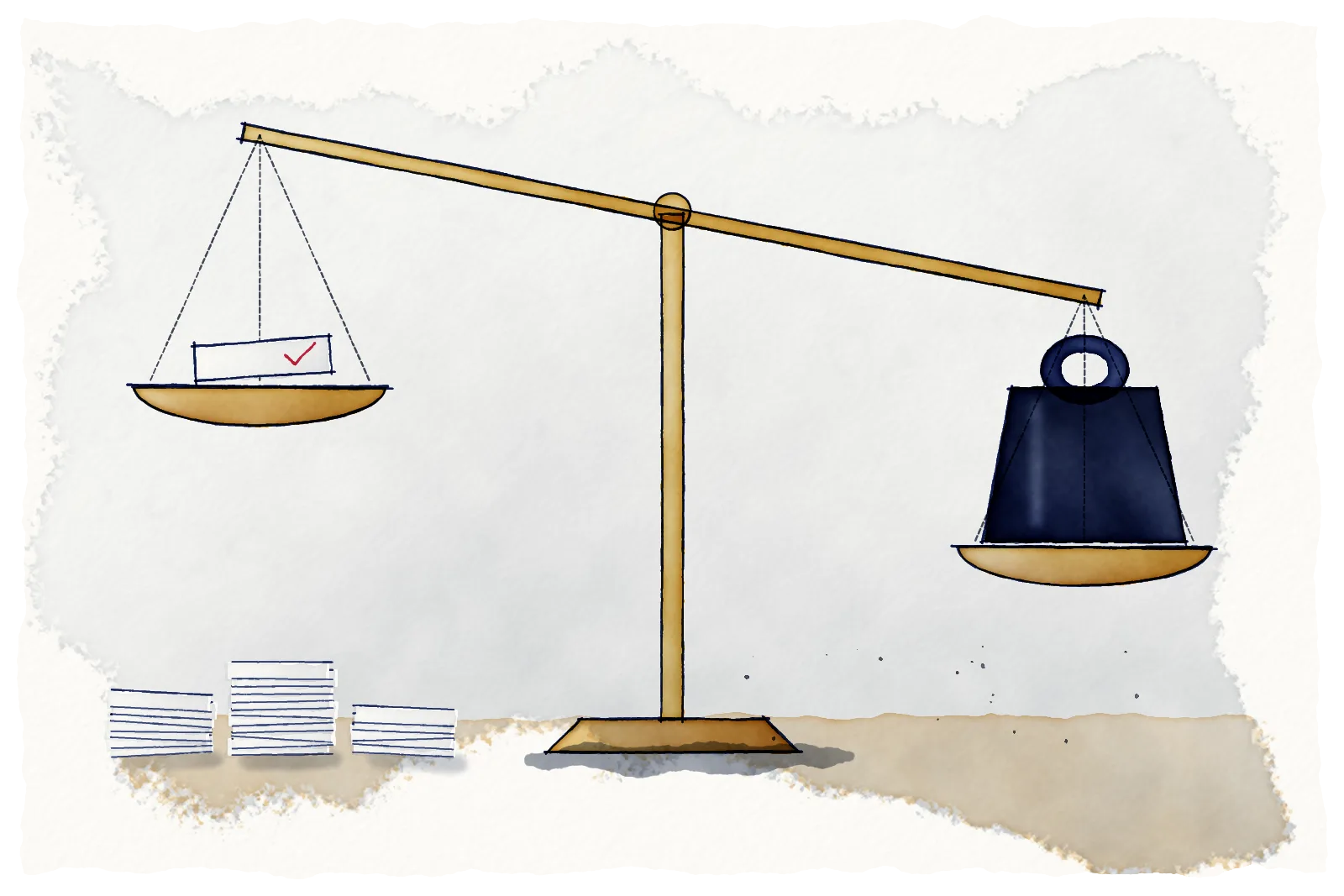
Watercolour of a brass balance scale: the raised pan holds a single sheet of paper with a tick, the lowered pan holds a heavy dark weight. Small stacks of paper wait on the floor beside it.
The asymmetry. “The downside of a miss dwarfs the upside of a fast pass.”

The Govern chapter opens with “an uncomfortable arithmetic problem.” If an agent helps your team produce three times the content it used to, someone is now reviewing three times the content. “The drafting step got an agent. The reviewing step, in most teams, did not.”

The queue at the gate

A governance process calibrated for one press release a week, meeting more. Slide to change how many drafts arrive.

A simple model
Arriving this week
Sign-off
Signed off
Still waiting after four weeks
3

The review capacity stays fixed at one a week in this model. The series' own phrasing: a process calibrated for one press release a week “strains badly when it meets a dozen.”

AI also changed the kind of error that reaches the gate. A reviewer trained on human mistakes knows what to look for. An agent fails in a different shape.

A human writer under deadline
  • Gets a date wrong
  • Over-claims slightly
  • Reaches for a tired phrase
An AI agent
  • States a fabricated statistic with total confidence
  • Attributes a quote to a real person who never said it
  • Cites a source that does not exist, formatted immaculately
  • Drifts toward the bland statistical centre, until the tone is “not wrong exactly, just no longer anyone's”

That is the governance gap: production scaled, the volume and the failure modes changed, and the checking layer stayed roughly where it was. “Most teams have upgraded Create and left Govern alone. That is the most dangerous possible configuration.”

Why 25/75Judgement is rarely what fails

Govern keeps the human share high because of asymmetry. In Create, a weak agent draft costs an hour of editing. In Govern, a missed claim costs “a correction, a news cycle, and a quantity of trust that takes far longer to rebuild than any agent ever saved.”

Watercolour of a wall clock at five o'clock with a small tag reading Fri.
Five o'clock, Friday.

Then the series turns the usual instinct around. “Governance failures, in practice, are rarely failures of judgement. They are failures of consistency.” The claim nobody thought to check, the alt text nobody added, the disclosure line that was in the template and got cut: “routine checks a tired human skipped at five o'clock on a Friday”.

Consistency is exactly what an agent is reliably good at. It “does not skip the boring check on the forty-first asset.” So the agent's 25 per cent “is not the judgement. It is the floor”, and that frees the people for the calls that need a person.

Field guideFour places agents change governance work

1Claims substantiation and fact-checking

Agent
Extracts every factual assertion (every number, named source, attributed quote, “studies show” and comparison) and asks of each: where did this come from, and would a sceptic accept the answer? Solid sources pass, weak ones are flagged, missing ones are escalated.
You
Resolving every escalated claim before the piece moves, and naming who is accountable for factual risk. “The agent does not create the fact layer. It is the discipline that refuses to let a piece proceed without one.”
“The agent that drafts a piece must not be the only agent that checks it.” Use a separate checking layer, ideally a different model with a different instruction set, whose whole job is to be the sceptic.

Template: Claims Substantiation Checklist

2Tone and brand-voice auditing

Agent
Checks a finished draft against a defined voice profile (register, the words used and avoided, formality, rhythm) and flags the paragraph that has slid into corporate neutral.
You
The standard itself, built from real pieces that sound right. The voice profile from Create “has a second job, and it belongs in Govern.”
At agent-assisted volume nobody reads everything. “The audit agent is how you hold a standard you can no longer hold by hand.”

Templates: Tone and Style Checker · Brand Voice Audit Checklist

3Accessibility and inclusive-language scanning

Agent
The same checks on every asset, in seconds: reading level, meaningful alt text, plain language, defined jargon, structure that works for a screen reader, the inclusive-language standard.
You
The judgement calls. Part 4 names no separate human task here; across Govern, it gives agents the systematic checks and people the reputational judgement.
“The lowest-risk, highest-consistency win in the entire phase, and it is routinely skipped.”

4Approval workflow orchestration

Agent
Assembles the right review pack for each reviewer (claims and contracts for legal, tone and visual treatment for brand, strategic risk for the executive sponsor), routes it in order, tracks status and flags what is overdue.
You
Every approval. “It does not approve anything.”
“Map before you automate. An automated bad workflow is just a bad workflow that now runs faster.”

Templates: Approval Workflow Mapper · Content Approval Tracker

Run the sceptic

A demonstration of the substantiation pass. This short draft was written for this page and contains two deliberate problems. Make your own call on each claim, then check it against the series.

The AI Agent Series ran to six parts, published between 13 April and 16 June 20261. Its phase articles put Monitor's AI share highest of any phase, at 40 per cent2. AI now does 30 per cent of all communications work3, and studies show three in four comms teams already use agents daily4. The final part advises teams to start with a readiness assessment before redesigning anything5.

#ClaimYour callVerdictWhy

Part 5 · 10 June 2026 · Monitor

The Lag Problem

Most monitoring tells a team what happened after the moment to act has passed. The prize is a shorter distance between signal and response.

The series’ rough split
Agents 40People 60
Read the original article
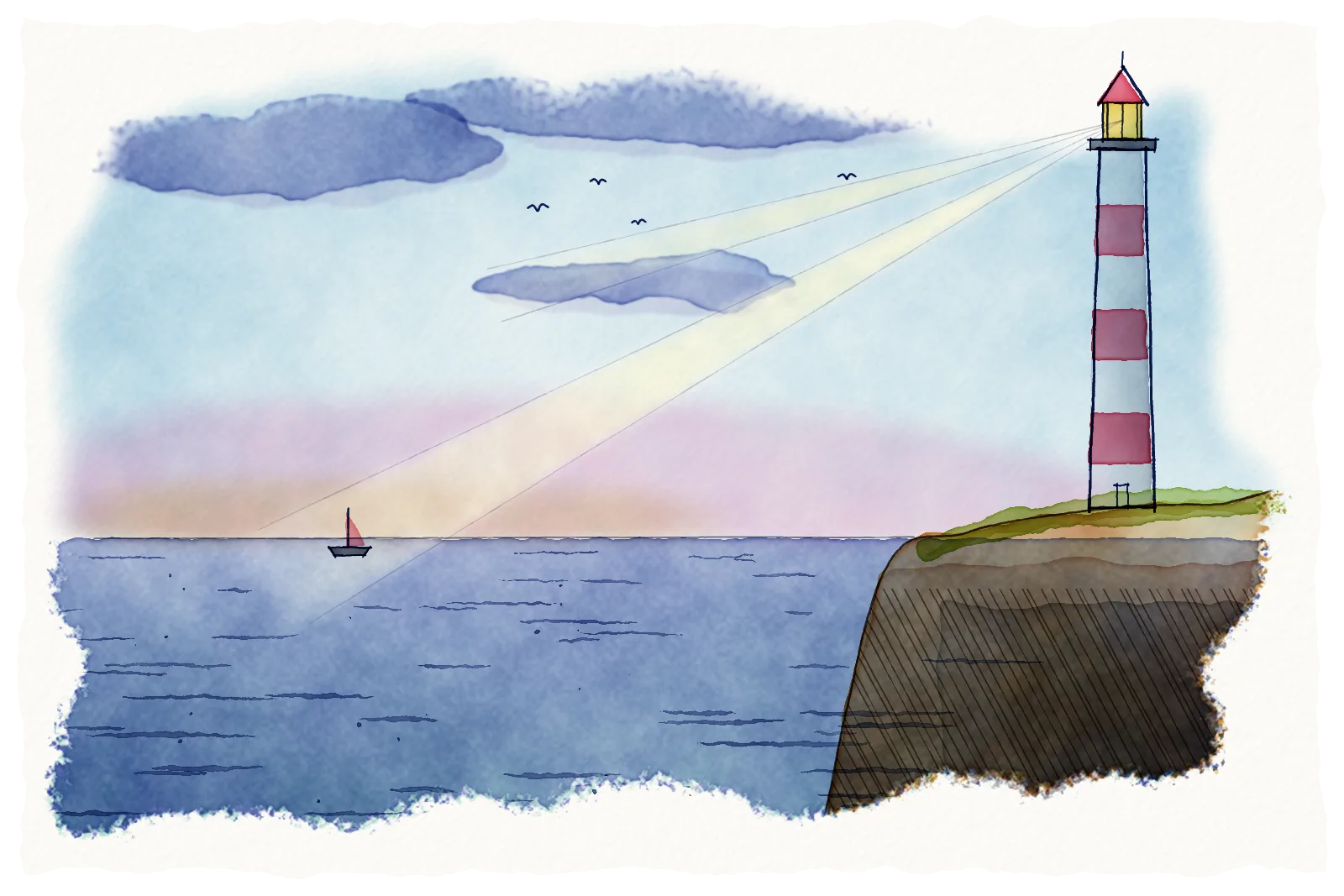
Watercolour of a striped lighthouse on a grassy headland at dusk, its beam crossing a calm sea to pick out a small sailing boat on the horizon.
Always on. “Agents do the watching. Humans do the meaning.”
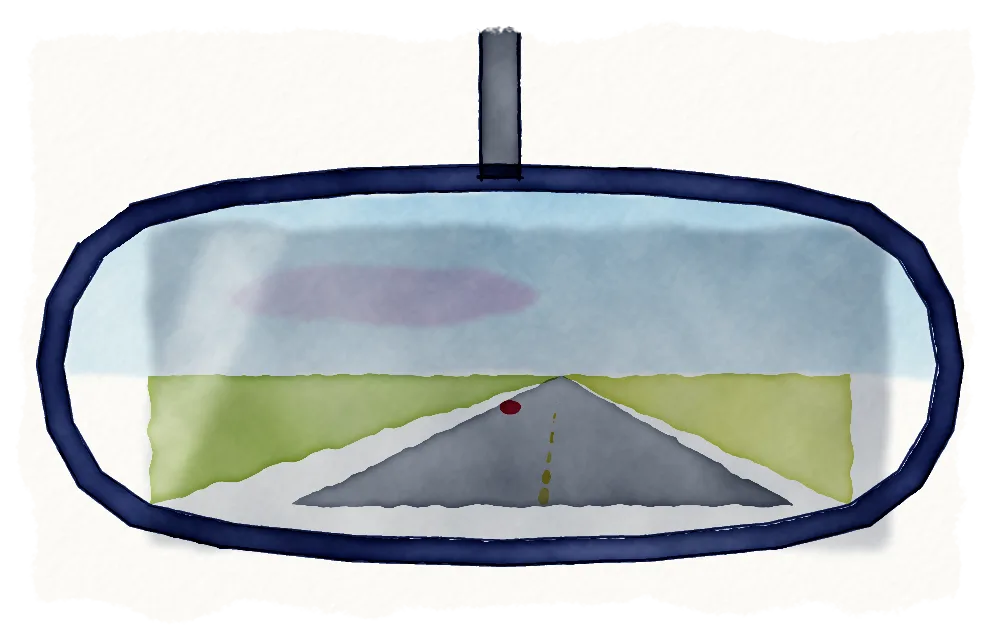
Watercolour of a car's rear-view mirror reflecting an empty road receding behind.
Most teams monitor in the rear-view mirror.

Picture your typical Monday coverage report. It summarises the previous seven days: the coverage, the mentions, a sentiment read, a few competitor notes. It is thorough, it is tidy, and, in the series' words, “it is a history lesson.” The story that mattered most broke on Wednesday, and the window to shape it closed on Thursday, two working days before the report that mentioned it landed.

Most teams monitor “in the rear-view mirror, learning accurately and late what the road behind them looked like.” The series grants that this can be incredibly useful, then asks a sharper question: how small can that gap be?

The week the story broke

Switch from the scheduled report to an always-on agent that stays quiet until something departs from the normal pattern.

MonTueWedThuFriSatSunMon
The lag
WednesdayThe story breaks
ThursdayThe window to shape it closes
MondayThe report lands
AlertWhile it is happening

“A report tells you what happened on a timetable”. Everything in it has already happened.

The days come from the article's example. Where the alert lands is illustrative.

“The real prize of agent-assisted monitoring is not a cheaper coverage report. It is a shorter distance between signal and response.”

DiagnosisThree ways monitoring fails

Time

“A weekly report is a structural decision to be several days behind the conversation.”

Volume without signal

“The data scales effortlessly. The interpretation does not.” Teams drown, or ignore most of the feed and hope.

The dead end

“What the team learned rarely reaches the people doing the strategic work, where it could change a decision.”

Monitor carries the highest agent share in the framework, 40/60, because the core task is high-volume, continuous pattern detection that rewards tirelessness. No communications professional can watch every channel without fatigue; an agent can. It can tell you mentions are up or a phrase is recurring. It cannot reliably tell you whether that matters, and it cannot make the escalation call, “because escalation is a judgement about consequences, and consequences depend on context the agent does not have.”

Field guideFour places agents change monitoring work

1Always-on detection and anomaly alerting

Agent
Learns the normal pattern (volume, channel mix, sentiment range) and stays quiet until something departs from it: a sudden rise in mentions, a new account with reach, a phrase that was not there yesterday.
You
Choosing the sources. “The first monitoring design question is not which model to use; it is which sources matter enough to watch.”
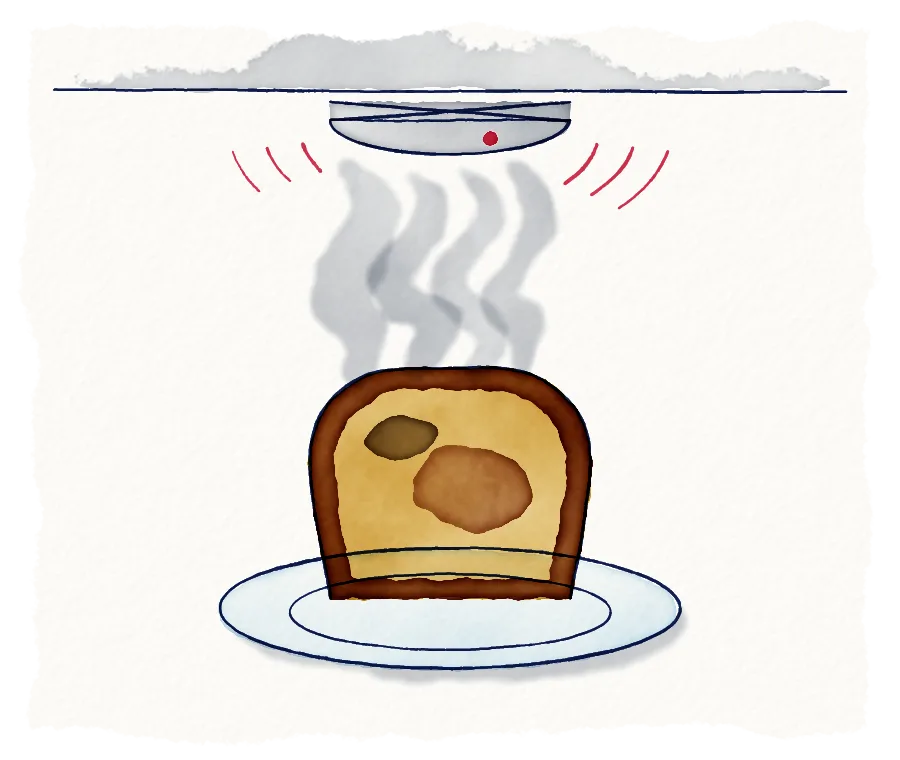
Calibration. Set too sensitive, it becomes “a smoke alarm that goes off when you make toast”, and a team that has learned to ignore its alerts is worse off than one with none.

2Sentiment and narrative analysis

Agent
Reads across a body of coverage and finds the narratives forming inside it: which framing is gaining traction, where it started, and in what terms it is being picked up.
You
Deciding which narrative is a real threat and which is background noise that will fade on its own.
Sentiment scores alone. A reading like “62% positive” feels informative and rarely is.

3Briefing automation

Agent
Turns the feeds into a short brief in a consistent structure: what changed since the last one, what it appears to mean, and what needs a decision.
You
Reviewing it, correcting the interpretation, adding the context the agent could not have, and sending it.
“The brief that used to take half a day takes twenty minutes to check.”

Templates: Weekly Monitoring Brief · Monthly Stakeholder Update

4Predictive and early-warning intelligence

Agent
Spots an issue on a trajectory that has led to escalation before: a small concern raised in more places, by more credible voices, in increasingly specific terms.
You
Clear escalation thresholds, so every signal triggers a known level of response.
“An agent does not predict the future; it extrapolates from patterns in the past.” It is structurally blind to the truly novel event, which is very often the one that does the most reputational damage.

Template: Issue Log Tracker

Set the alarm

Six weeks of daily mentions for an imaginary organisation, with one routine product update and one real story. Drag the threshold and find the setting that catches the story without crying wolf.

Illustrative data
44
Watercolour of a smoke alarm on a ceiling going off over a slice of slightly burnt toast.
0false alarms before the story Day 31story caught

What it looks like in practice

A charity launches a policy campaign on Monday. By Tuesday afternoon, an agent flags a hostile framing repeated across three local outlets and one sector influencer, ahead of any coverage the team had clocked. The team updates the FAQ, re-briefs the spokesperson and adjusts the paid social copy before the framing hardens into the dominant story.

“That is the loop working as designed.”

  1. Monitor detected it
  2. Govern checked the response
  3. Create produced it
  4. Strategise inherits a sharper read

Part 6 · 16 June 2026 · Transform
The Pilot Trap

Most AI initiatives in communications fade because nobody owned the change. The final article is about turning a clever pilot into a capability that lasts.

The series’ rough split
Agents 20People 80
Read the original article
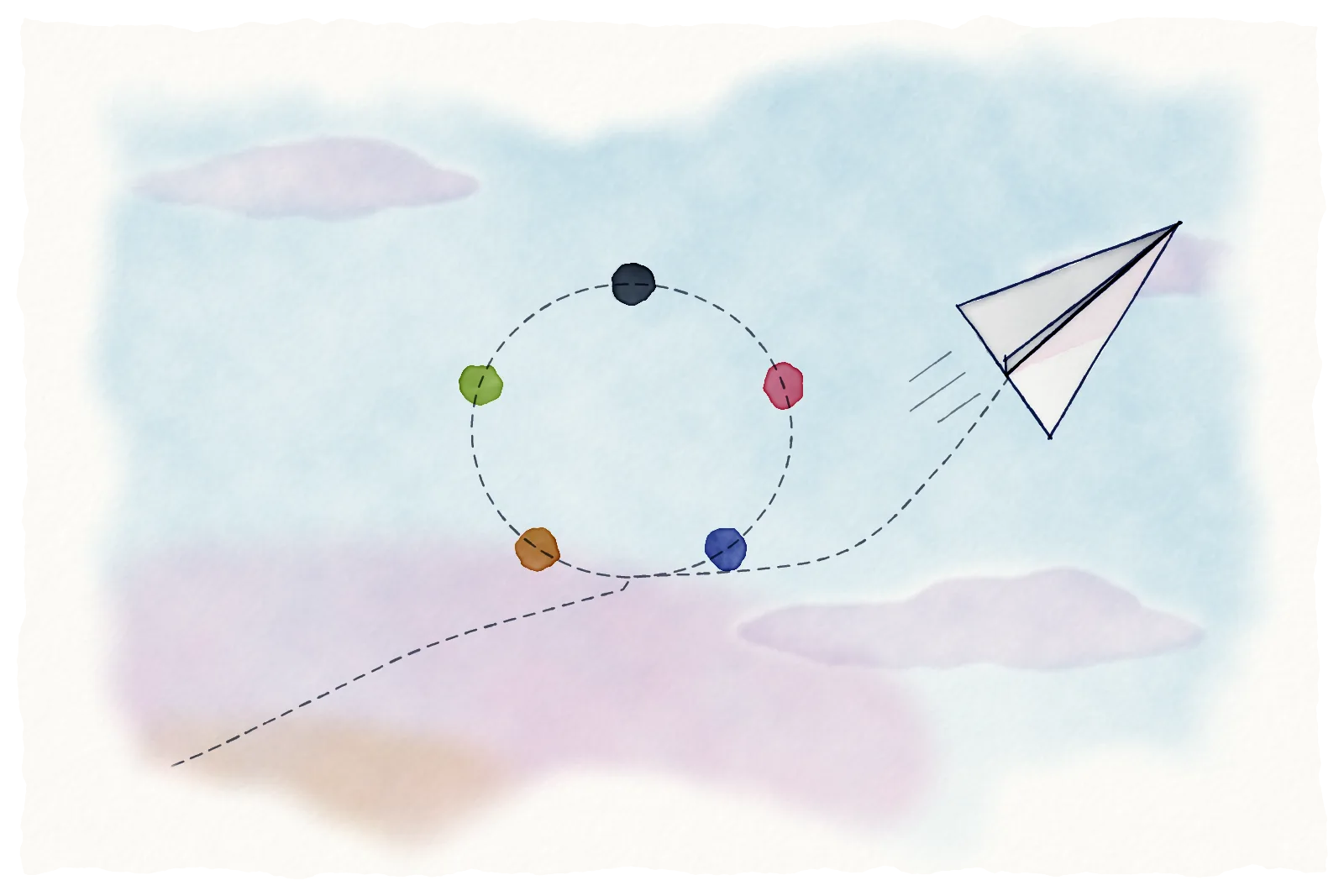
Watercolour of a paper aeroplane in a pale sky, its dotted flight path looping once through five coloured dots before heading off to the upper right.
Round again. “Transform is where the cycle closes.”

“Almost every communications team that has tried AI has a pilot that worked.” Usually one capable and curious person built something: an agent that drafts the monthly newsletter, a monitoring brief cut from half a day to twenty minutes. People were impressed. Someone said the team should do more of this. And then, often, nothing.

Six months later the pilot is still a pilot, or it has quietly stopped, because its builder got busy, moved on, or could not carry it alone. The series calls this the most common way AI fails in communications: “Not with a dramatic mistake. With a slow fade.”

“A pilot that depends on one enthusiastic person is not a capability. It is a hobby that happens to be useful.”

Same pilot, two futures

What happens to a working pilot over a year, depending on whether anyone turns it into part of how the team operates.

Illustration, not data

Five things have to change for AI-assisted communications to become normal, and the series is blunt that none of them is a tooling problem:

  1. Job descriptions acknowledge it, or it stays off the record.
  2. People learn new skills, and “not the ones usually advertised”.
  3. Someone owns adopting, maintaining and retiring tools, or the organisation “accumulates a drawer of half-used subscriptions”.
  4. The team shares a standard for what good AI-assisted work looks like.
  5. The culture makes it safe to say a workflow is not working.

The split is 20/80, matching Strategise; the two bookend the cycle. The agent's share is real analytical help: readiness assessments, maturity benchmarks, workflow maps, tool comparisons. The rest is “convincing people, navigating politics, building trust, holding a standard, and leading through the discomfort of changing how work is done.” “No agent leads change. People do, or it does not happen.”

That is also why the Transform templates stop at the diagnostic work: readiness, workflows, capability gaps and tool evaluation. “A template structures a repeatable task, and change leadership is not a repeatable task.” The rest is leadership, specific to each organisation.

Field guideFour places agents inform the change

1AI readiness assessment

Agent
Works systematically through the five phases to show where a team is capable, where it is improvising, and where it has tools without process or process without tools.
You
Acting on the output, which is a map of where to spend effort first.
Teams assessing their own maturity tend to anchor on their best example, the one impressive pilot, and assume it represents the whole. A structured assessment looks at the routine.

Tools: free online readiness assessment · AI Readiness Assessment template

2Workflow redesign

Agent
Maps the current workflow in detail and models redesigned versions.
You
The redesign decisions (what to keep, cut and resequence), which are human and often political, “because workflows encode who does what”.
Bolting an agent onto one step of the old process produces a modest gain and misses most of the value. Ask what the process would look like if you designed it now.

Template: Comms Workflow Audit

3Tool evaluation and selection

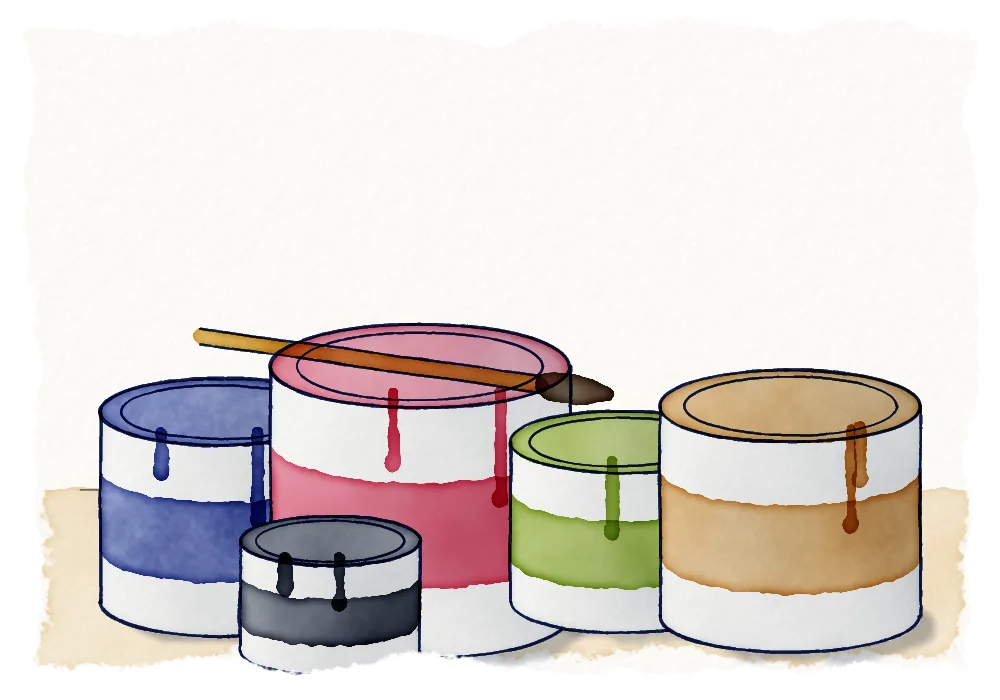
Watercolour of five half-used tins of paint in different colours, with drips down their sides and a brush resting across one.
Agent
Scaffolds a structured comparison of tools against the team's actual needs.
You
Choosing on purpose, and deciding who owns the choice.
“Communications teams accumulate tools the way garages accumulate tins of paint.” The right tool fits the team's real workflow and skill level.

Template: AI Tool Evaluation Framework

4Skills mapping and role evolution

Agent
Maps the team's current skills against the skills agent-assisted communications requires.
You
Designing the guided practice that builds judgement: knowing when to trust an agent's output, and “when a draft is genuinely good and when it is merely fluent”.
“The craft simply relocates, from the output to the system that generates the output”, and to being accountable for the work an agent did. “A team that does not name and support that shift will find its best people either quietly resisting it or quietly leaving.”

Template: Capability Gap Analysis

Closing the loop

Six articles, five phases, one argument

The series closes on its central claim: AI is a workflow engine, and communications work, “being high-volume, structured, repetitive, and high-stakes”, is unusually well suited to being run as a set of designed workflows. The five phases are the map of those workflows, and Transform feeds straight back into Strategise. A team that has been round the loop once “re-enters it sharper”.

The splits were the recurring reminder, from 20/80 in the thinking work to 40/60 in the monitoring. “The human share never disappears. It concentrates on the decisions where experience is load-bearing, and it stays the majority of the work everywhere.”

“The teams that win with AI in communications are not the ones with the most tools or the fastest output. They are the ones that treated this as a redesign of how the work is done, did the unglamorous Transform work of making it stick, and kept human judgement firmly in charge of the things that matter.”The line Part 6 ends the series on

Your answers

Where to look first

Answers are kept in this browser only. Nothing is sent anywhere.

Field notes

The series in twenty-four lines

Verbatim from the six articles, some lines shortened. Copy any line into a team meeting, a slide or a brief.

Go to the source

Read the series

Templates for every phase are free on Comms With AI: the 5-phase framework · Strategise · Create · Govern · Monitor · Transform